
Texas commissioners courts could set water-use restrictions for homes and businesses outside city limits, including in the fringe areas cities partly control, under Senate Bill 356, filed Nov. 13 by Sen. Molly Cook of Houston. A companion measure, Senate Bill 359, would require every developer petition to create a municipal utility district to include a water conservation plan.
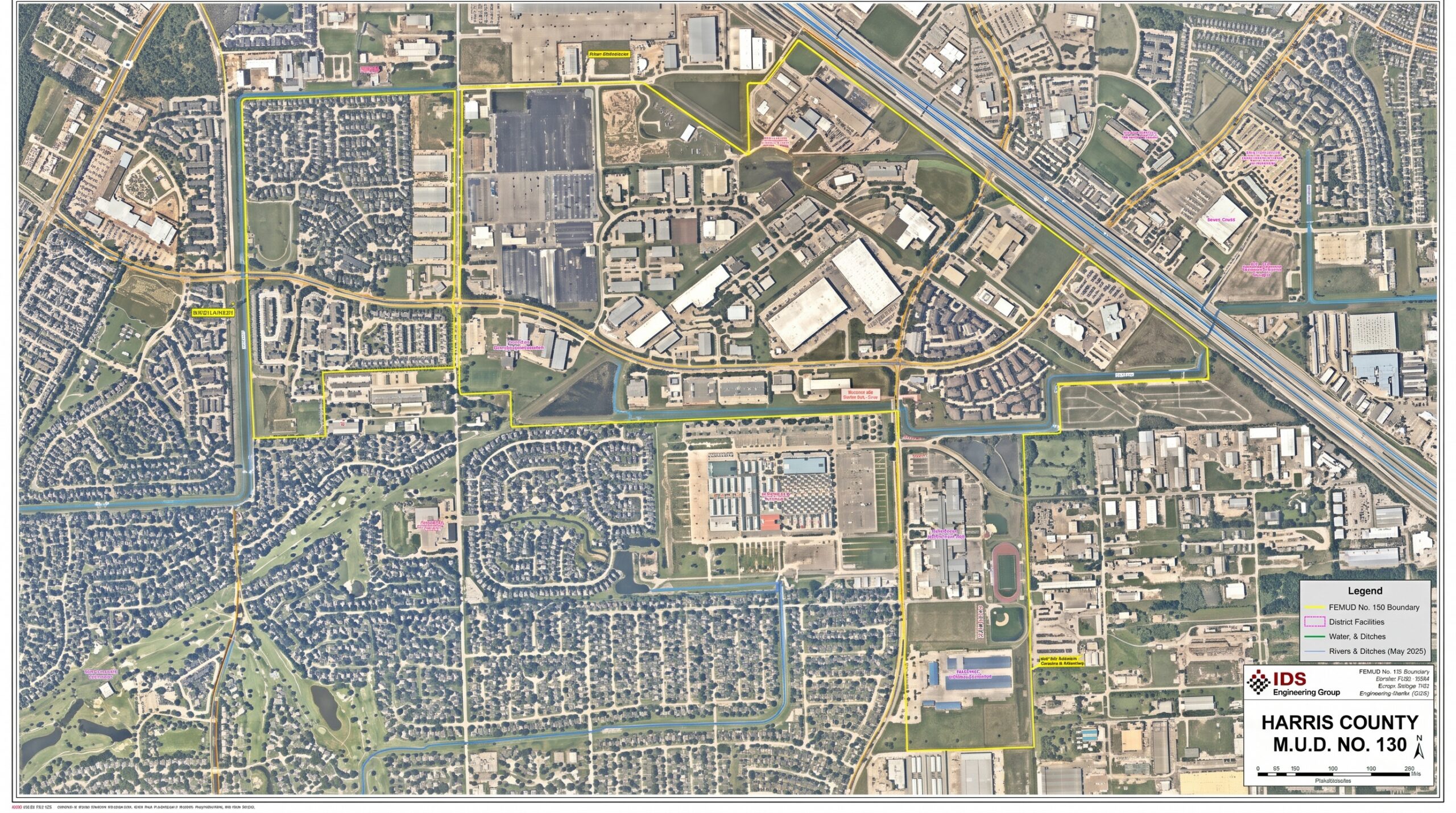
Together the bills aim at the places Texas is growing fastest. New subdivisions outside city limits often get water through a municipal utility district, or MUD — a local taxing district that sells bonds to build water and sewer lines for a new subdivision and repays them from the homeowners’ tax bills. Cities set drought rules for their own residents. In unincorporated areas, those rules often come only from a water supplier or a groundwater district.
Senate Bill 356 would add a new section to the Local Government Code: “The commissioners court of a county by order may adopt a water conservation program.” According to the bill’s text, the program would apply “for the unincorporated area of the county, including the extraterritorial jurisdiction of a municipality, only.” Extraterritorial jurisdiction is the unincorporated land just outside a city’s limits, where the city has only limited powers.
A county program could include three things. The first is water-use restrictions. The second is conservation standards for any development, redevelopment or subdivision “that begins after August 31, 2027.” The third is “other strategies intended to reduce water use or water loss or otherwise conserve water resources.”
The bill sets two limits. Restrictions and standards would not apply to an agricultural operation as state agriculture law defines it. And a county order would yield to other governments’ rules. Where it conflicts with “a permit, rule, ordinance, or other measure issued by a governmental entity and regulating the same conduct, the measure prevails,” the bill says. A groundwater district’s pumping rules, a city ordinance or a water supplier’s drought plan would control over a county order.
Senate Bill 359 works on the supply side. A petition to create a MUD would have to “include a water conservation plan that meets the requirements of Section 13.146, regardless of whether that section applies to the district,” according to its text. Section 13.146 of the Water Code sets the state’s conservation-plan standard for water utilities. The Texas Commission on Environmental Quality, the state environmental agency that rules on MUD petitions, would add water conservation to the list of things a new district must not have “an unreasonable effect on.”
The bill would apply only to petitions filed on or after its effective date.
The proposals sit on an open question in Texas growth: who sets the rules outside city limits. Counties hold some authority over subdivisions and roads but no general power to zone, and the Dispatch has reported how the Hill Country grew faster than the rules that govern it, with authority split among counties, groundwater districts and state agencies.
The bills would change who answers for water use at the edge of growth. Neighbors on either side of a city line could face similar drought rules, and new districts would plan for conservation before they are built. They would also add a layer of county rules for residents and builders outside cities, and a new step before a developer can create a district to finance a subdivision. Neither the bills’ author nor any builder or county group had commented publicly as of Nov. 17.
Both bills take effect Sept. 1, 2027, if passed. They join a House proposal for a public registry of data-center water use among the water bills awaiting committee referral when the 90th Legislature convenes in January.
Key facts:
- SB 356 and SB 359 by Sen. Molly Cook were filed Nov. 13, 2026 (Texas Legislature Online).
- SB 356 lets commissioners courts adopt water conservation programs for unincorporated areas, including city ETJs; agriculture is exempt.
- Under SB 356, other governments’ permits, rules and ordinances prevail over a conflicting county order.
- SB 359 requires every MUD creation petition to include a water conservation plan meeting Water Code §13.146.
- Both would take effect Sept. 1, 2027.